
Yesterday, I had a long talk with ‘Post’ Mideast reporter Danielle Greyman-Kennard. My thanks to her. – Tom O’D.
Although 14 to 15 million barrels of oil passed through Hormuz per day before the war, an expert told the Post that it was entirely possible to manage without much of that supply.
27 Aug. 2026, updated 28 Aug. – Though the Islamic Republic of Iran has established a “sophisticated panoply” to protect itself against the possibility of regime change, its trump card, the Strait of Hormuz, is losing its strategic value and will continue to do so, former Wilson Center global fellow Thomas O’Donnell told The Jerusalem Post on Thursday. (Continue reading at GlobalBarrel.com or at Jerusalem Post here)
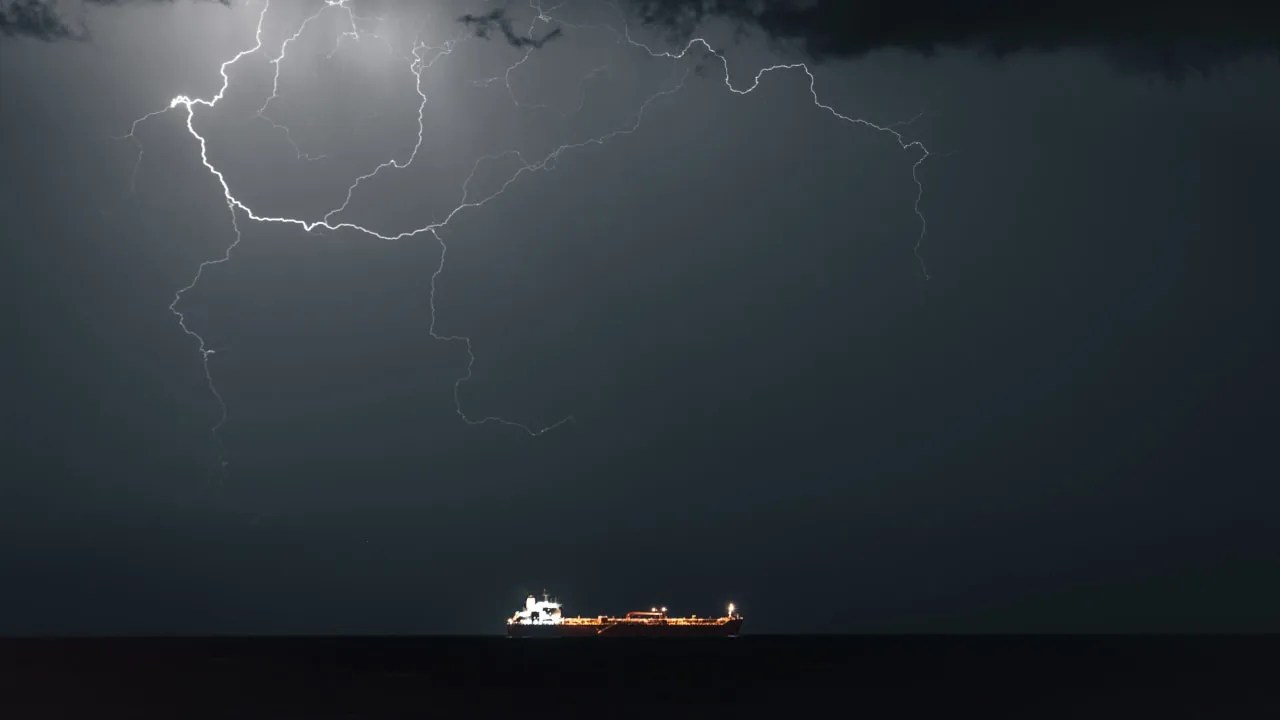
With many of the regime’s regional proxies degraded over years of war with Israel and its nuclear ambitions delayed after the 12 Day War in June last year, Tehran only has its rockets, drones, and ability to threaten the Strait of Hormuz left as an insurance policy against attempts to topple the regime, he noted.
These remaining elements will be used to dissuade action while it restores the others, but they are losing the weight they once carried, O’Donnell added.
Though 14 to 15 million barrels of oil traveled through Hormuz per day before the war, he argued that it was very possible to manage without much of that supply.
Saudi Arabia’s East-West Crude Oil Pipeline moves around five million barrels per day for non-domestic use, while the United Arab Emirates moves an average of 1.5 to 1.8m. bpd through its own pipeline, he calculated.
Some 400m. barrels of oil and refined petroleum products were unanimously approved for release by the 32 member nations of the International Energy Agency (IEA), while the US government committed 172 million barrels from its Strategic Petroleum Reserve.
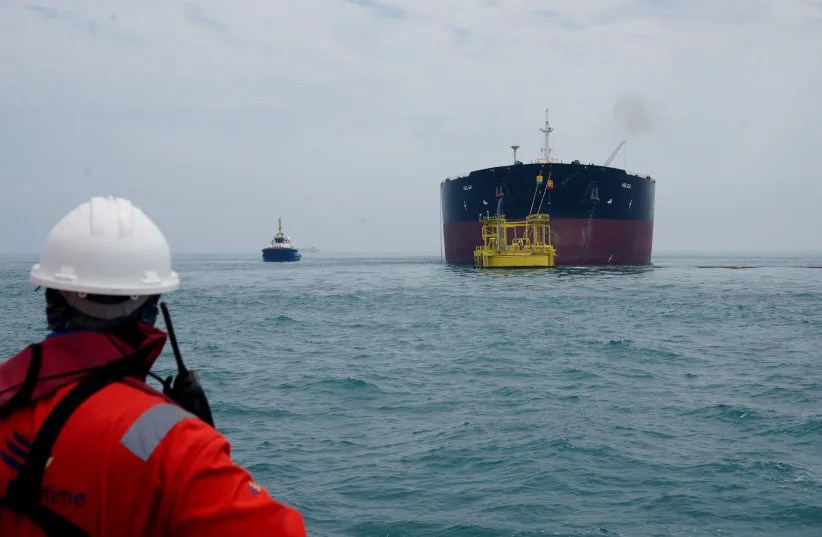
None of this even touches on the oil supplied by the Western Hemisphere, where roughly 32% to 40% of the world’s total oil originates.
“There’s more production in other places, but [the disruption of] oil has not been anything like it would have been 20 years ago if they closed the strait,” he said, explaining how the US’s own oil and fracking industries have helped mitigate much of the damage.
Could Iran’s weakening control of Hormuz force a deal with the US?
“The oil price, it’ll go up and down. The fact that it went over $100 [a barrel], and the next day it was $80, that means that’s geostrategic variability. That’s not fundamental.”
Continue reading
